20 November 2026 | Nyanza District, Rwanda
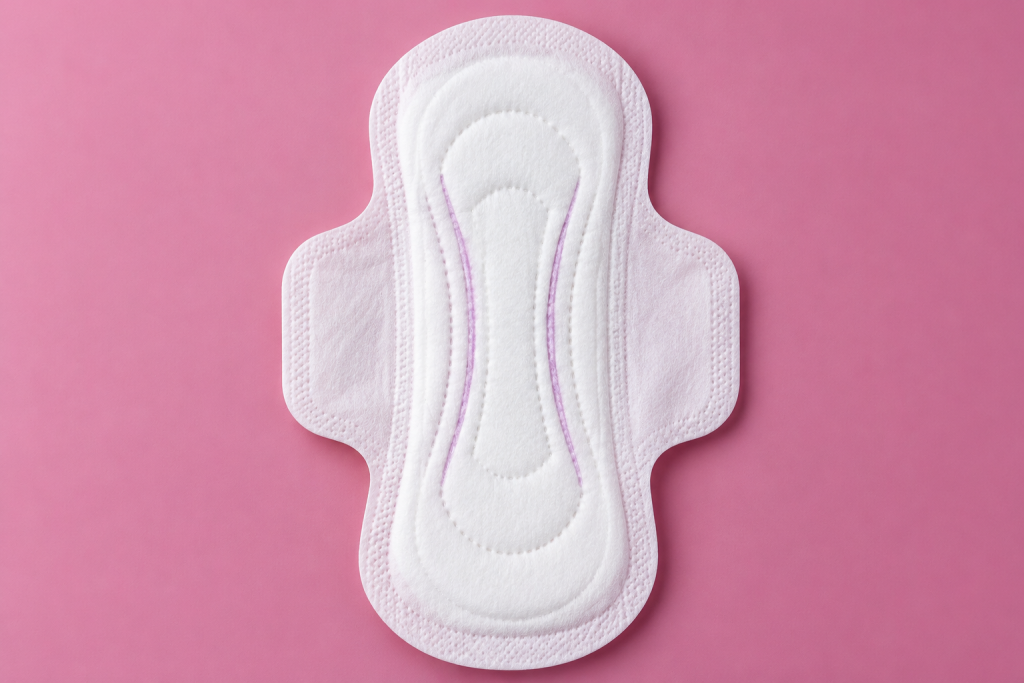
Dufatanye Organization, with funding from the Suyana Foundation, has today, 20 November 2026, commenced the distribution of reusable sanitary pads to school-going girls at GS Mubuga and vulnerable out-of-school young women in Nyamiseke Sector, Nyanza District, under the Village of Hope (VOH) Project.
During this initial distribution, 131 girls and young women received reusable sanitary pads, including 101 school-going girls from GS Mubuga and 30 vulnerable young women who are out of school. Each beneficiary received one packet containing approximately four to five reusable sanitary pads to support safe, hygienic, and dignified menstrual health management.
This distribution marks the beginning of a broader initiative targeting 2,350 girls and vulnerable young women in Nyanza and Nyaruguru Districts during the project implementation period from July 2026 to June 2027.
Addressing Menstrual Health Challenges and Keeping Girls in School
Menstrual health challenges remain a significant barrier to girls’ education, health, and dignity. According to World Bank data, approximately 20% of female students in Rwanda miss more than 50 school days annually due to inadequate access to menstrual hygiene products. Limited access to appropriate menstrual materials can expose girls to embarrassment, discomfort, and absenteeism and affecting their educational participation
Recognising these challenges, Dufatanye Organization, through the Village of Hope Project funded by the Suyana Foundation, is implementing a key intervention of sanitary pad distribution with the aim of empowering girls through Sustainable Menstrual Health and Hygiene Practices.
The initiative aims to reduce menstruation-related absenteeism by 50% among 2,350 school-going girls and vulnerable out-of-school young women across Nyanza and Nyaruguru Districts, specifically in Nyamiseke and Rasaniro Sectors respectively. This will be achieved through the provision of environmentally friendly, reusable sanitary pads made primarily from banana fibre. In additional to the sanitary pads, the girls are taught about hygiene practices and management.
Beyond improving access to menstrual hygiene products, the intervention seeks to promote sustainable menstrual health practices, enhance girls’ confidence, protect their dignity, and ensure that menstruation does not prevent them from participating fully in education and other daily activities.
Contributing to Household Well-being and Sustainable WASH Practices
The 2,350 targeted beneficiaries are members of the 878 households supported by the Village of Hope Project in Nyanza and Nyaruguru Districts. The project takes an integrated approach to addressing household vulnerabilities through interventions focusing on food security, nutrition, and Water, Sanitation and Hygiene (WASH).
The distribution of reusable sanitary pads complements these interventions by strengthening menstrual hygiene management, promoting personal hygiene, and contributing to healthier and more dignified living conditions for girls and young women.
By introducing reusable sanitary products made primarily from banana fibre, the initiative also promotes environmentally conscious menstrual hygiene practices while providing beneficiaries with a sustainable alternative to disposable sanitary products.
An estimated RWF 11,750,000 has been allocated to support this intervention, demonstrating the project’s commitment to improving menstrual health, protecting girls’ dignity, and promoting their continued participation in education.
A participant’s Voice: Restoring Confidence and Dignity
For the girls receiving the reusable sanitary pads, the support represents more than access to menstrual hygiene products; it is an opportunity to learn without fear, embarrassment, or interruption.
Sandra not her real names used, a Primary Five pupil at GS Mubuga, expressed her appreciation for the support, highlighting the challenges she previously experienced during her menstrual period.
“Receiving these sanitary pads will give me the confidence to continue learning during my menstrual period. Previously, I used old pieces of cloth, and I was always afraid that I might stain my uniform during lessons and feel embarrassed in front of my classmates. Thanks to Suyana and Dufatanye for giving me this opportunity,” she shared.
Every girl deserves the opportunity to learn, participate, and thrive without menstruation becoming a barrier to her education, health, or dignity.